Buy كا.com ?
We are moving the project
كا.com .
Are you interested in purchasing the domain
كا.com ?
domain@kv-gmbh.de · 0541-91531010
Buy كا.com ?
To whom or to whom?
The phrase "to whom or to whom" is grammatically incorrect as it repeats the same pronoun. The correct phrase should be "to whom or to what" if referring to a person or thing. The use of "whom" is appropriate when referring to the object of a verb or preposition in formal English. **
'With whom or at whom?'
The phrase "with whom" is used when referring to a person or people you are interacting or collaborating with. For example, "I am meeting with whom I will be working on the project." On the other hand, the phrase "at whom" is used when referring to a person or people you are directing your actions, words, or emotions towards. For example, "She was shouting angrily at whom she believed had wronged her." **

Similar search terms for Whom
Top-Angebote
Products related to Whom:
-
Wilco Books ltd Ernest Hemingway Collection 7 Books Hardcover Set (A Moveable Feast, For Whom The Bell Tolls, A Farewell To Arms, Green Hills Of Africa, The Old and TDiscover the extraordinary writing of Ernest Hemingway with this Ernest Hemingway 7 Books Hardcover Collection Set, bringing together some of the celebrated author's most important novels, stories and non-fiction. Books Included A Moveable Feast For Whom the Bell Tolls A Farewell to Arms Green Hills of Africa The Old Man and the Sea In Our Time The Sun Also Rises From the struggle and determination at the heart of The Old Man and the Sea to the experiences of the Lost Generation in The Sun Also Rises, this collection showcases Hemingway's distinctive style across some of his best-known writing. Explore love and conflict in A Farewell to Arms, the Spanish Civil War in For Whom the Bell Tolls, memories of literary Paris in A Moveable Feast, African travel and hunting in Green Hills of Africa, and the concise short fiction of In Our Time. Presented as a seven-book hardcover collection, this set is an excellent choice for readers building a classic literature library, students discovering Hemingway, or collectors looking for a substantial selection of his works.19,99 £*Shipping: 2,99 £Secure redirect to the provider
-
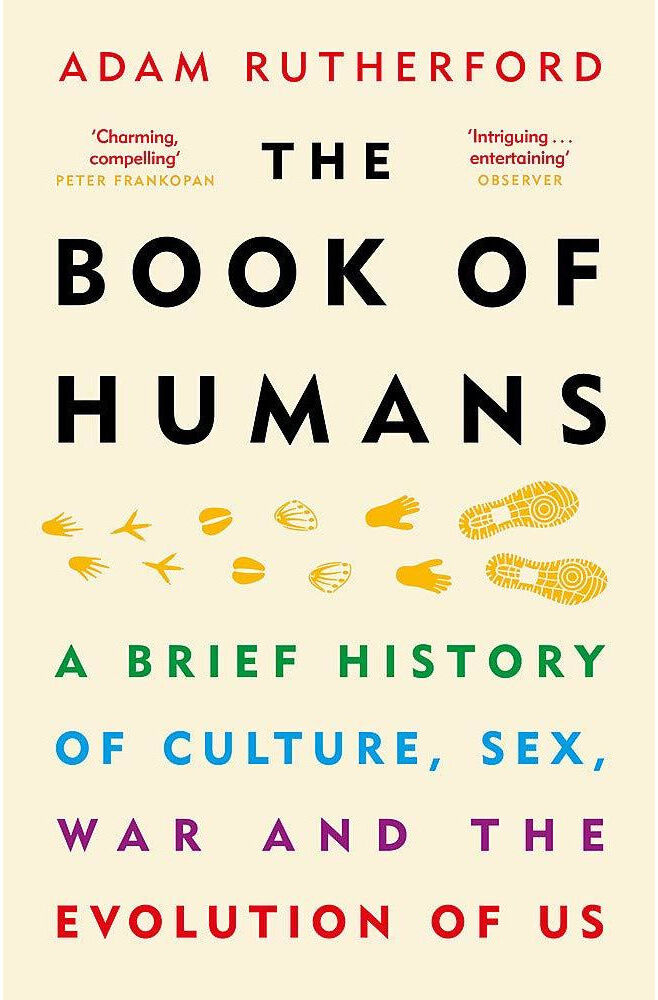
Orion The Book of Humans by Adam Rutherford – A Brief History of Culture, Sex, War & EvolutionWHAT MAKES US HUMAN? Waging war? Sex for pleasure? Creating art? Mastery of fire? In this thrilling tour of the animal kingdom, Adam Rutherford tells the story of how we became the unique creatures we are today. Illuminated by the latest scientific discoveries, THE BOOK OF HUMANS is a dazzling compendium of what unequivocally fixes us as animals, and reveals how we are extraordinary among them.4,98 £*Shipping: 1,99 £Secure redirect to the provider
-
Zygomatic Timeline Refresh 2026 Clutch Box - Card Game for 2-4 Players Ages 10+ History Culture TriviaTest your knowledge of history, culture, and everyday events with Timeline Refresh 2026, a compact card game for family and friends. Each round challenges players to place event cards in the correct chronological position, using the timeline already on the table as their guide. Choose an event card, estimate when it happened, and add it to the timeline. If your placement is correct, the card remains in play; if not, it is removed. The first player to position all their cards correctly wins. The game's accessible rules and varied subject matter make it an engaging way to challenge your memory and learn interesting facts while playing. The clutch box format is designed for convenient storage and portability.9,53 £*Shipping: 3,95 £Secure redirect to the provider
-
"""The Language of Yes""" """The Language of Yes Syrah 2022 Red Wine - California""""""Blend: 82% Syrah, 18% Viognier This bottling by the original Rhône Ranger Randall Grahm, who employs a hefty 18% Viognier in this blend, begins with lovely black raspberry, white peppercorn and struck stone aromas on the nose. The palate is tight..."34,99 $*Shipping: 0,00 $Secure redirect to the provider



-
How can one forget culture and heritage?
One can forget culture and heritage by not actively engaging with it, by being disconnected from one's roots and community, and by prioritizing other aspects of life over preserving and celebrating one's cultural identity. This can happen through assimilation into a different culture, lack of exposure to one's own cultural traditions and practices, and a lack of interest in learning about one's heritage. Additionally, societal pressures and discrimination can also contribute to the erasure of one's culture and heritage. **
-
Who misses whom and who forgets whom?
In the poem "Remember" by Christina Rossetti, the speaker is asking her loved one to remember her after she has passed away. The speaker is the one who misses her loved one, as she will no longer be able to be with them. The speaker is also the one who fears being forgotten, as she asks her loved one to remember her even when they are no longer together. **
-
'Against whom?'
The question "Against whom?" is typically used to inquire about the target or opponent in a conflict, competition, or debate. It seeks to identify the specific individual, group, or entity that is being challenged or opposed in a given situation. By asking "Against whom?" one is seeking clarity on who is the focus of the opposition or resistance. **
-
'With whom?'
You can choose to spend time with friends, family, colleagues, or even yourself. It ultimately depends on your preferences and the type of activity you are planning. Spending time with loved ones can strengthen relationships and create lasting memories, while spending time alone can provide opportunities for self-reflection and personal growth. **

What is the difference between culture and tradition?
Culture refers to the beliefs, customs, arts, and social behaviors of a particular group of people, encompassing a broader range of practices and values. On the other hand, tradition specifically refers to the customs and practices that are passed down from generation to generation within a specific community or society. While culture is more dynamic and can evolve over time, traditions tend to be more static and rooted in history and heritage. **
What or whom?
"What or whom?" is a question that seeks to identify the specific object or person being referred to in a conversation or situation. It is used to clarify and specify the subject of discussion, helping to ensure clear communication and understanding between individuals. By asking "What or whom?" one can pinpoint the exact entity being discussed and provide a more precise response or explanation. **
Top-Angebote
Products related to Whom:
-
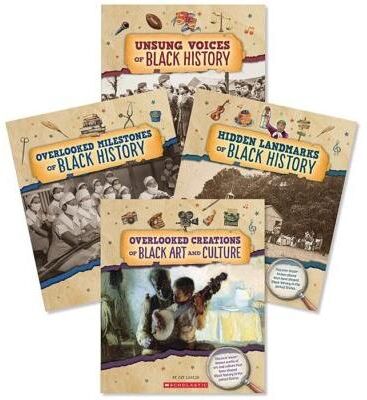
From the Archives: Black History and Culture Value PackThis brand-new series is rooted in a profound commitment to shedding light on some of the important -- and often lesser-known -- aspects of Black history. From the Archives features landmarks, events, people, and artistic endeavors that have played...27,99 $*Shipping: 0,00 $Secure redirect to the provider
-
Wilco International Ernest Hemingway Collection of Novels - The Sun Also Rises, For Whom the Bell Tolls, A Farewell to Arms & The Old Man and the Sea - Leather BoundThis single leather-bound volume gathers four of Ernest Hemingway's most celebrated novels into one elegant edition. The collection spans post-war disillusionment, doomed romance, and quiet heroism, showcasing the spare, powerful prose that defined twentieth-century American fiction. With a padded leather cover and gilt detailing, it is designed as a lasting library piece for devoted readers, students of literature, and anyone seeking a handsome gift edition of Hemingway's finest work in a single, satisfying volume. The titles included in this volume are The Sun Also Rises, For Whom the Bell Tolls, A Farewell to Arms, and The Old Man and the Sea. Published by Wilco International, this edition features 774 pages and is suitable for adult readers.9,99 £*Shipping: 2,99 £Secure redirect to the provider
-
Wilco Books ltd Ernest Hemingway Collection 7 Books Hardcover Set (A Moveable Feast, For Whom The Bell Tolls, A Farewell To Arms, Green Hills Of Africa, The Old and TDiscover the extraordinary writing of Ernest Hemingway with this Ernest Hemingway 7 Books Hardcover Collection Set, bringing together some of the celebrated author's most important novels, stories and non-fiction. Books Included A Moveable Feast For Whom the Bell Tolls A Farewell to Arms Green Hills of Africa The Old Man and the Sea In Our Time The Sun Also Rises From the struggle and determination at the heart of The Old Man and the Sea to the experiences of the Lost Generation in The Sun Also Rises, this collection showcases Hemingway's distinctive style across some of his best-known writing. Explore love and conflict in A Farewell to Arms, the Spanish Civil War in For Whom the Bell Tolls, memories of literary Paris in A Moveable Feast, African travel and hunting in Green Hills of Africa, and the concise short fiction of In Our Time. Presented as a seven-book hardcover collection, this set is an excellent choice for readers building a classic literature library, students discovering Hemingway, or collectors looking for a substantial selection of his works.19,99 £*Shipping: 2,99 £Secure redirect to the provider
-
Orion The Book of Humans by Adam Rutherford – A Brief History of Culture, Sex, War & EvolutionWHAT MAKES US HUMAN? Waging war? Sex for pleasure? Creating art? Mastery of fire? In this thrilling tour of the animal kingdom, Adam Rutherford tells the story of how we became the unique creatures we are today. Illuminated by the latest scientific discoveries, THE BOOK OF HUMANS is a dazzling compendium of what unequivocally fixes us as animals, and reveals how we are extraordinary among them.4,98 £*Shipping: 1,99 £Secure redirect to the provider
-
To whom or to whom?
The phrase "to whom or to whom" is grammatically incorrect as it repeats the same pronoun. The correct phrase should be "to whom or to what" if referring to a person or thing. The use of "whom" is appropriate when referring to the object of a verb or preposition in formal English. **
-
'With whom or at whom?'
The phrase "with whom" is used when referring to a person or people you are interacting or collaborating with. For example, "I am meeting with whom I will be working on the project." On the other hand, the phrase "at whom" is used when referring to a person or people you are directing your actions, words, or emotions towards. For example, "She was shouting angrily at whom she believed had wronged her." **
-
How can one forget culture and heritage?
One can forget culture and heritage by not actively engaging with it, by being disconnected from one's roots and community, and by prioritizing other aspects of life over preserving and celebrating one's cultural identity. This can happen through assimilation into a different culture, lack of exposure to one's own cultural traditions and practices, and a lack of interest in learning about one's heritage. Additionally, societal pressures and discrimination can also contribute to the erasure of one's culture and heritage. **
-
Who misses whom and who forgets whom?
In the poem "Remember" by Christina Rossetti, the speaker is asking her loved one to remember her after she has passed away. The speaker is the one who misses her loved one, as she will no longer be able to be with them. The speaker is also the one who fears being forgotten, as she asks her loved one to remember her even when they are no longer together. **
Similar search terms for Whom
-
Zygomatic Timeline Refresh 2026 Clutch Box - Card Game for 2-4 Players Ages 10+ History Culture TriviaTest your knowledge of history, culture, and everyday events with Timeline Refresh 2026, a compact card game for family and friends. Each round challenges players to place event cards in the correct chronological position, using the timeline already on the table as their guide. Choose an event card, estimate when it happened, and add it to the timeline. If your placement is correct, the card remains in play; if not, it is removed. The first player to position all their cards correctly wins. The game's accessible rules and varied subject matter make it an engaging way to challenge your memory and learn interesting facts while playing. The clutch box format is designed for convenient storage and portability.9,53 £*Shipping: 3,95 £Secure redirect to the provider
-
"""The Language of Yes""" """The Language of Yes Syrah 2022 Red Wine - California""""""Blend: 82% Syrah, 18% Viognier This bottling by the original Rhône Ranger Randall Grahm, who employs a hefty 18% Viognier in this blend, begins with lovely black raspberry, white peppercorn and struck stone aromas on the nose. The palate is tight..."34,99 $*Shipping: 0,00 $Secure redirect to the provider
-
"""The Language of Yes""" """The Language of Yes Cuvee Sinso 2022 Red Wine - California""""""A French-inspired, Cinsaut-based red blend. Cinsaut and Syrah co-fermented for two weeks to extract color and texture. A small amount of Grenache from Rancho Réal was blended for fragrance. Aged in neutral barrels and stainless. Exuberantly..."26,97 $*Shipping: 0,00 $Secure redirect to the provider
-
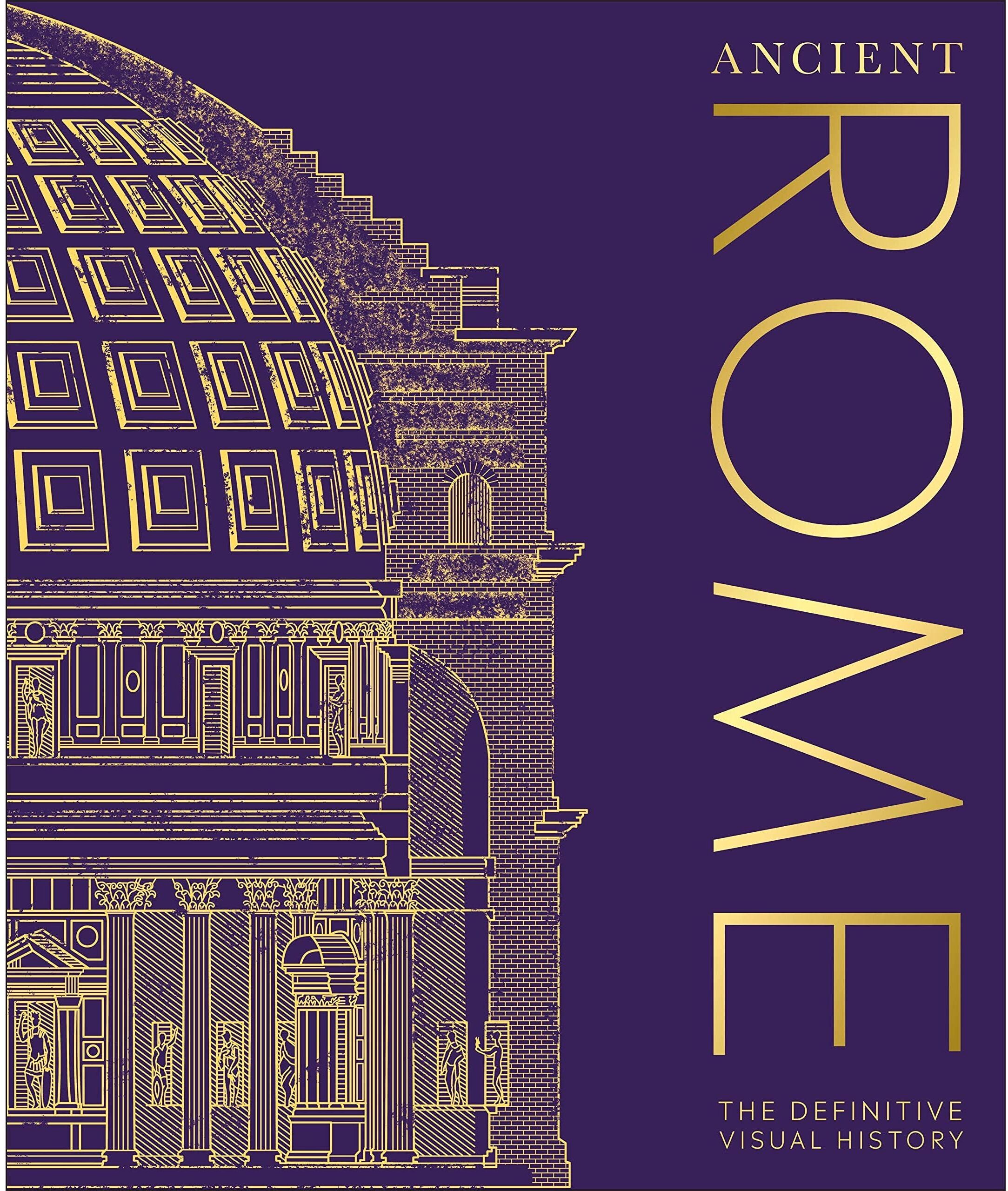
Ancient Rome: The Definitive Visual History (DK Classic History)Immerse yourself in the history of ancient Rome - from its origins as a small settlement on the Palatine Hill to its peak as an empire reigning over 90 million people, and its tumultuous decline. Covering more than 1,000 years of history, and an empire that stretched from Scotland to Syria, Ancient Rome reveals in vivid detail all of the key political, cultural, and military events that shaped the Roman Empire and explores what it was like to live in a society that laid the foundations for many aspects of the modern world. Sumptuous photography and engaging text cover every facet of life in ancient Rome, from art, entertainment, and fashion to engineering, medicine, and war, while detailed maps trace the rise of the mighty Roman Empire. Step back in time in the pages of this history book to discover:- Themed spreads explore developments in areas such as sculpture, religion, warfare, and engineering. - Includes tales of the most dramatic events and battles in Roman history, as well as profiles of influential historical and cultural figures. - An optional 80pp reference section includes sections on rulers, gods and goddesses, and key sites. Featuring Rome's greatest emperors, from Augustus to Constantine, as well as profiles of generals, historians, and influential women, Ancient Rome also delves into the fascinating stories of gladiators, bakers, and enslaved people. The most iconic buildings of Rome are brought to life with specially commissioned CGI recreations, while the stories of ordinary citizens, soldiers, and persecuted groups from across the empire are told with the help of illustrations, artefacts, and eyewitness accounts. Beautifully illustrated and unparalleled in scope, Ancient Rome is the perfect book for anyone who is interested in this defining period of world history.19,95 £*Shipping: 2,99 £Secure redirect to the provider
-
'Against whom?'
The question "Against whom?" is typically used to inquire about the target or opponent in a conflict, competition, or debate. It seeks to identify the specific individual, group, or entity that is being challenged or opposed in a given situation. By asking "Against whom?" one is seeking clarity on who is the focus of the opposition or resistance. **
-
'With whom?'
You can choose to spend time with friends, family, colleagues, or even yourself. It ultimately depends on your preferences and the type of activity you are planning. Spending time with loved ones can strengthen relationships and create lasting memories, while spending time alone can provide opportunities for self-reflection and personal growth. **
-
What is the difference between culture and tradition?
Culture refers to the beliefs, customs, arts, and social behaviors of a particular group of people, encompassing a broader range of practices and values. On the other hand, tradition specifically refers to the customs and practices that are passed down from generation to generation within a specific community or society. While culture is more dynamic and can evolve over time, traditions tend to be more static and rooted in history and heritage. **
-
What or whom?
"What or whom?" is a question that seeks to identify the specific object or person being referred to in a conversation or situation. It is used to clarify and specify the subject of discussion, helping to ensure clear communication and understanding between individuals. By asking "What or whom?" one can pinpoint the exact entity being discussed and provide a more precise response or explanation. **
* All prices are inclusive of VAT and, if applicable, plus shipping costs. The offer information is based on the details provided by the respective shop and is updated through automated processes. Real-time updates do not occur, so deviations can occur in individual cases. ** Note: Parts of this content were created by AI.