Buy كا.com ?
We are moving the project
كا.com .
Are you interested in purchasing the domain
كا.com ?
domain@kv-gmbh.de · 0541-91531010
Buy كا.com ?
How can one forget culture and heritage?
One can forget culture and heritage by not actively engaging with it, by being disconnected from one's roots and community, and by prioritizing other aspects of life over preserving and celebrating one's cultural identity. This can happen through assimilation into a different culture, lack of exposure to one's own cultural traditions and practices, and a lack of interest in learning about one's heritage. Additionally, societal pressures and discrimination can also contribute to the erasure of one's culture and heritage. **
What is the difference between low culture and high culture in history?
Low culture refers to the cultural activities and products that are considered to be more common, popular, and easily accessible to the general public. This can include things like popular music, television shows, and mass-produced literature. On the other hand, high culture refers to the cultural activities and products that are considered to be more refined, sophisticated, and often associated with the elite or educated classes. This can include things like classical music, fine art, and literature that is considered to be more intellectually challenging. The distinction between low and high culture has been a source of debate and has evolved over time, but it generally reflects the social and class divisions within a society. **

Similar search terms for Orbit-The-Culture-Series
Top-Angebote
Products related to Orbit-The-Culture-Series:
-
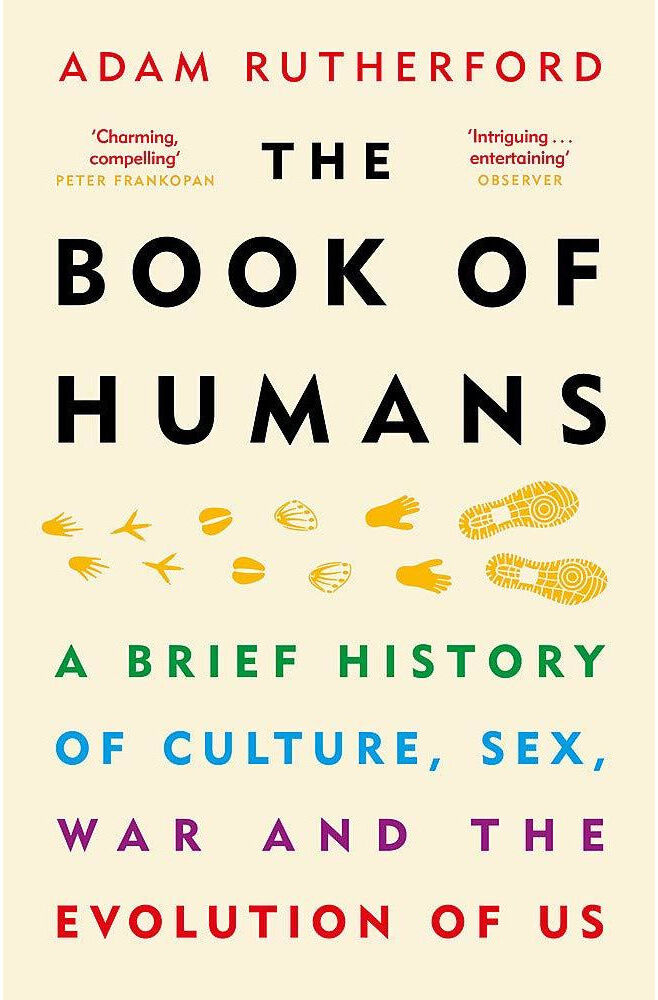
Orion The Book of Humans by Adam Rutherford – A Brief History of Culture, Sex, War & EvolutionWHAT MAKES US HUMAN? Waging war? Sex for pleasure? Creating art? Mastery of fire? In this thrilling tour of the animal kingdom, Adam Rutherford tells the story of how we became the unique creatures we are today. Illuminated by the latest scientific discoveries, THE BOOK OF HUMANS is a dazzling compendium of what unequivocally fixes us as animals, and reveals how we are extraordinary among them.4,98 £*Shipping: 1,99 £Secure redirect to the provider
-
Urban Nature Culture Vase RelaxedQuiet elegancy comes to life in Urban Nature Culture's vase Relaxed. Handmade in Portugal, this ceramic vase has a shape beyond anything you've seen - it's organic, it flows and steals your heart with its playful ear.123,40 $*Shipping: 0,00 $Secure redirect to the provider



-
What is the difference between culture and tradition?
Culture refers to the beliefs, customs, arts, and social behaviors of a particular group of people, encompassing a broader range of practices and values. On the other hand, tradition specifically refers to the customs and practices that are passed down from generation to generation within a specific community or society. While culture is more dynamic and can evolve over time, traditions tend to be more static and rooted in history and heritage. **
-
What is the meaning of tradition, culture, and identity?
Tradition refers to the customs, beliefs, and practices that are passed down from generation to generation within a community or society. Culture encompasses the shared values, beliefs, and behaviors of a particular group of people, including their language, art, music, and social norms. Identity is the sense of self and belonging that is shaped by one's cultural background, traditions, and experiences. Together, tradition, culture, and identity form the foundation of a person's sense of belonging and connection to their community and heritage. **
-
Which culture is the best culture in the world?
It is not appropriate to label any one culture as the "best" in the world as every culture has its own unique strengths and values. Each culture contributes to the diversity and richness of the world, and it is important to respect and appreciate the differences among them. Instead of comparing cultures, it is more valuable to learn from and celebrate the diversity of cultures around the world. **
-
What are event culture and time culture?
Event culture refers to the way in which events, such as festivals, concerts, and sporting events, shape and influence a society's values, beliefs, and behaviors. Time culture, on the other hand, refers to the way in which a society perceives and organizes time, including concepts of punctuality, scheduling, and the pace of life. Both event culture and time culture play a significant role in shaping social interactions, traditions, and overall societal norms. **


Is German culture identifiable beyond language?
Yes, German culture is identifiable beyond language. German culture is known for its rich history, traditions, and customs that are distinct from other cultures. From its famous Oktoberfest celebrations to its traditional folk music and dance, German culture is easily recognizable. Additionally, German cuisine, art, and architecture also play a significant role in shaping the country's cultural identity. Overall, German culture is identifiable through a variety of cultural elements beyond just the German language. **
What are electricity and high culture history?
Electricity history refers to the development and use of electricity as a form of energy, including the discovery of electricity, the invention of electric devices, and the establishment of electrical systems. High culture history, on the other hand, refers to the history of cultural and artistic achievements that are considered to be of high quality and sophistication, such as classical music, literature, fine arts, and theater. Both electricity and high culture history have evolved over time, shaping the way we live and appreciate the world around us. **
Top-Angebote
Products related to Orbit-The-Culture-Series:
-
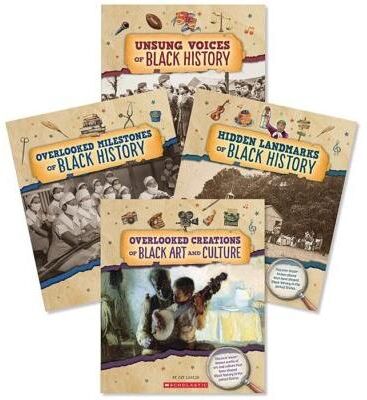
From the Archives: Black History and Culture Value PackThis brand-new series is rooted in a profound commitment to shedding light on some of the important -- and often lesser-known -- aspects of Black history. From the Archives features landmarks, events, people, and artistic endeavors that have played...27,99 $*Shipping: 0,00 $Secure redirect to the provider
-
Orbit The Culture Series by Iain M Banks - 5 Books Collection Set - Science Fiction Paperback - Consider Phlebas, Player of Games, Use of Weapons & MoreThis five-book paperback collection by Scottish science fiction legend Iain M. Banks introduces readers to the vast, post-scarcity universe of The Culture. The set includes five landmark entries from Banks's Culture universe: Consider Phlebas, The Player of Games, Use of Weapons, The State of the Art, and Excession. Each novel stands alone, yet together they map the moral complexity, dazzling technology, and dry wit that define one of modern SF's most acclaimed series. The Culture novels are known for their ambitious world-building, sentient AI Minds, and galaxy-spanning intrigue. This collection is a great way to own the essential early Culture novels in one matching paperback edition, published by Orbit.48,99 £*Shipping: 0,00 £Secure redirect to the provider
-
Orion The Book of Humans by Adam Rutherford – A Brief History of Culture, Sex, War & EvolutionWHAT MAKES US HUMAN? Waging war? Sex for pleasure? Creating art? Mastery of fire? In this thrilling tour of the animal kingdom, Adam Rutherford tells the story of how we became the unique creatures we are today. Illuminated by the latest scientific discoveries, THE BOOK OF HUMANS is a dazzling compendium of what unequivocally fixes us as animals, and reveals how we are extraordinary among them.4,98 £*Shipping: 1,99 £Secure redirect to the provider
-
Urban Nature Culture Vase RelaxedQuiet elegancy comes to life in Urban Nature Culture's vase Relaxed. Handmade in Portugal, this ceramic vase has a shape beyond anything you've seen - it's organic, it flows and steals your heart with its playful ear.123,40 $*Shipping: 0,00 $Secure redirect to the provider
-
How can one forget culture and heritage?
One can forget culture and heritage by not actively engaging with it, by being disconnected from one's roots and community, and by prioritizing other aspects of life over preserving and celebrating one's cultural identity. This can happen through assimilation into a different culture, lack of exposure to one's own cultural traditions and practices, and a lack of interest in learning about one's heritage. Additionally, societal pressures and discrimination can also contribute to the erasure of one's culture and heritage. **
-
What is the difference between low culture and high culture in history?
Low culture refers to the cultural activities and products that are considered to be more common, popular, and easily accessible to the general public. This can include things like popular music, television shows, and mass-produced literature. On the other hand, high culture refers to the cultural activities and products that are considered to be more refined, sophisticated, and often associated with the elite or educated classes. This can include things like classical music, fine art, and literature that is considered to be more intellectually challenging. The distinction between low and high culture has been a source of debate and has evolved over time, but it generally reflects the social and class divisions within a society. **
-
What is the difference between culture and tradition?
Culture refers to the beliefs, customs, arts, and social behaviors of a particular group of people, encompassing a broader range of practices and values. On the other hand, tradition specifically refers to the customs and practices that are passed down from generation to generation within a specific community or society. While culture is more dynamic and can evolve over time, traditions tend to be more static and rooted in history and heritage. **
-
What is the meaning of tradition, culture, and identity?
Tradition refers to the customs, beliefs, and practices that are passed down from generation to generation within a community or society. Culture encompasses the shared values, beliefs, and behaviors of a particular group of people, including their language, art, music, and social norms. Identity is the sense of self and belonging that is shaped by one's cultural background, traditions, and experiences. Together, tradition, culture, and identity form the foundation of a person's sense of belonging and connection to their community and heritage. **
Similar search terms for Orbit-The-Culture-Series
-
Granta Books The 1960s in Maps by Gordon Kerr - Illustrated History of the 1960s Through Maps, Events, Politics, Culture and Social ChangeWhich countries were under a dictatorship? Where did the Beatles perform live outside the UK? Where were atomic bombs tested? Which nations boycotted the 1966 World Cup? What was the route of the Hippy Trail? The 1960s was a momentous decade whose legacy is colourful and enduring. Here is a book that maps those years - through their culture, their politics, their technological and scientific advances, their conflicts and their natural disasters. What emerges is a fresh and revealing portrait of a decade which saw enormous social change, seemed to offer boundless potential, but also had its darker side.10,99 £*Shipping: 2,99 £Secure redirect to the provider
-
Which culture is the best culture in the world?
It is not appropriate to label any one culture as the "best" in the world as every culture has its own unique strengths and values. Each culture contributes to the diversity and richness of the world, and it is important to respect and appreciate the differences among them. Instead of comparing cultures, it is more valuable to learn from and celebrate the diversity of cultures around the world. **
-
What are event culture and time culture?
Event culture refers to the way in which events, such as festivals, concerts, and sporting events, shape and influence a society's values, beliefs, and behaviors. Time culture, on the other hand, refers to the way in which a society perceives and organizes time, including concepts of punctuality, scheduling, and the pace of life. Both event culture and time culture play a significant role in shaping social interactions, traditions, and overall societal norms. **
-
Is German culture identifiable beyond language?
Yes, German culture is identifiable beyond language. German culture is known for its rich history, traditions, and customs that are distinct from other cultures. From its famous Oktoberfest celebrations to its traditional folk music and dance, German culture is easily recognizable. Additionally, German cuisine, art, and architecture also play a significant role in shaping the country's cultural identity. Overall, German culture is identifiable through a variety of cultural elements beyond just the German language. **
-
What are electricity and high culture history?
Electricity history refers to the development and use of electricity as a form of energy, including the discovery of electricity, the invention of electric devices, and the establishment of electrical systems. High culture history, on the other hand, refers to the history of cultural and artistic achievements that are considered to be of high quality and sophistication, such as classical music, literature, fine arts, and theater. Both electricity and high culture history have evolved over time, shaping the way we live and appreciate the world around us. **
* All prices are inclusive of VAT and, if applicable, plus shipping costs. The offer information is based on the details provided by the respective shop and is updated through automated processes. Real-time updates do not occur, so deviations can occur in individual cases. ** Note: Parts of this content were created by AI.