Buy كا.com ?
We are moving the project
كا.com .
Are you interested in purchasing the domain
كا.com ?
domain@kv-gmbh.de · 0541-91531010
Buy كا.com ?
How can one forget culture and heritage?
One can forget culture and heritage by not actively engaging with it, by being disconnected from one's roots and community, and by prioritizing other aspects of life over preserving and celebrating one's cultural identity. This can happen through assimilation into a different culture, lack of exposure to one's own cultural traditions and practices, and a lack of interest in learning about one's heritage. Additionally, societal pressures and discrimination can also contribute to the erasure of one's culture and heritage. **
What is the difference between culture and tradition?
Culture refers to the beliefs, customs, arts, and social behaviors of a particular group of people, encompassing a broader range of practices and values. On the other hand, tradition specifically refers to the customs and practices that are passed down from generation to generation within a specific community or society. While culture is more dynamic and can evolve over time, traditions tend to be more static and rooted in history and heritage. **

Similar search terms for For
Top-Angebote
Products related to For:
-
Summersdale Doggie Language by Lili Chin - Hardback - Illustrated Guide to Dog Body Language - Perfect Gift for Dog OwnersDoggie Language by Lili Chin is a beautifully illustrated hardback guide that decodes canine body language for dog owners, trainers, and animal lovers of all experience levels. Written and illustrated by Lili Chin, this compact yet comprehensive handbook turns subtle tail wags, ear positions, and posture shifts into a clear visual language anyone can learn. It's an ideal resource for new puppy parents, seasoned dog owners, and anyone looking to build a deeper bond with their four-legged companion. Dogs communicate constantly through body language, but much of what they're telling us goes unnoticed or misread, often leading to unnecessary stress for both dog and owner. This guide addresses this gap with warm, friendly illustrations mapping out common canine postures, facial expressions, and tail positions.3,95 £*Shipping: 2,99 £Secure redirect to the provider
-
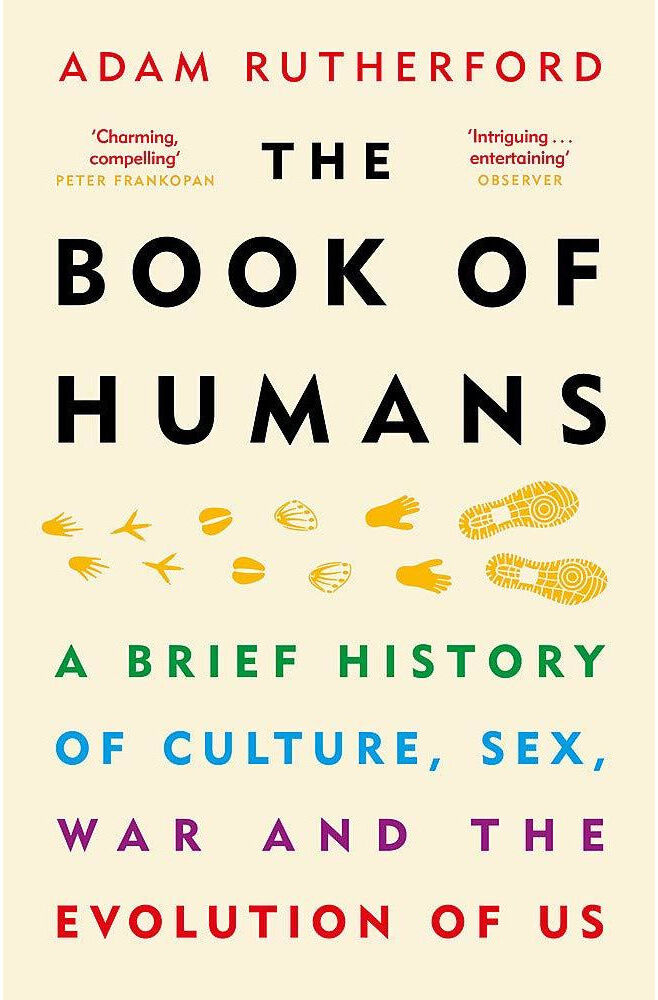
Orion The Book of Humans by Adam Rutherford – A Brief History of Culture, Sex, War & EvolutionWHAT MAKES US HUMAN? Waging war? Sex for pleasure? Creating art? Mastery of fire? In this thrilling tour of the animal kingdom, Adam Rutherford tells the story of how we became the unique creatures we are today. Illuminated by the latest scientific discoveries, THE BOOK OF HUMANS is a dazzling compendium of what unequivocally fixes us as animals, and reveals how we are extraordinary among them.4,98 £*Shipping: 1,99 £Secure redirect to the provider
-
Usborne Beginners History 10 Books Collection Box Set Educational History Books for Children - Stone Age Iron Age - HARDCOVERUsborne Beginners History 10 Books Collection Box Set Stone Age Iron Age Egyptians Ancient Greeks .. Stone Age This simple information book follows the history of Stone Age people and how they lived. Iron Age This simple information book charts the history of Iron Age people and how they lived; including their farming methods; the gods they prayed to and the hill forts where they lived. Egyptians Who were the ancient Egyptians? Why did they build pyramids and how were mummies made? Ancient Greeks Find out about Ancient Greece; what people wore; ate and did for fun and learn about some of the most famous philosophers and mathematicians of the age in this compelling book for beginner readers. Celts Who were the Celts exactly? Did you know they lived on top of hills? Do you have any idea how Celtic warriors made themselves look really scary in battle? Romans Who were the ancient Romans? Where did they go to eat; shop and wash? What did they do for fun? The Maya Who were the Maya? Where did they live? Why did they build tall stone temples? Vikings Find out what it was like to be a Viking; and learn about Viking homes; feasts; boats; gods and much more in this fascinating book. Castles Who lived in a castle; and what was it like? Children can find out the answers to these questions and lots more about the wonderful world of castles in this informative book. Digging Up the Past How do ancient things get buried? Who digs them up? And what do they find? Beginner readers can find answers to these questions and more in this colourful information book. Related Tags: Usborne, Usbourne14,99 £*Shipping: 2,99 £Secure redirect to the provider
-
"""The Language of Yes""" """The Language of Yes Cuvee Sinso 2023 Red Wine - California""""""A French-inspired, Cinsaut-based red blend. Cinsaut and Syrah co-fermented for two weeks to extract color and texture. A small amount of Grenache from Rancho Réal was blended for fragrance. Aged in neutral barrels and stainless. Exuberantly..."26,97 $*Shipping: 0,00 $Secure redirect to the provider



-
What is the meaning of tradition, culture, and identity?
Tradition refers to the customs, beliefs, and practices that are passed down from generation to generation within a community or society. Culture encompasses the shared values, beliefs, and behaviors of a particular group of people, including their language, art, music, and social norms. Identity is the sense of self and belonging that is shaped by one's cultural background, traditions, and experiences. Together, tradition, culture, and identity form the foundation of a person's sense of belonging and connection to their community and heritage. **
-
What is the name for the Arabic language in Egypt?
The name for the Arabic language in Egypt is "Masri" or "Egyptian Arabic." This dialect of Arabic is widely spoken in Egypt and is the everyday language used by the majority of the population. It has its own unique vocabulary, pronunciation, and grammar, setting it apart from other dialects of Arabic spoken in the region. **
-
Is the Ottoman language Arabic?
No, the Ottoman language is not Arabic. The Ottoman language, also known as Ottoman Turkish, was a Turkic language that was heavily influenced by Arabic and Persian due to the cultural and historical connections between the Ottoman Empire and the Arab and Persian worlds. However, it was a distinct language with its own grammar, vocabulary, and script. Arabic, on the other hand, is a Semitic language and is not the same as Ottoman Turkish. **
-
What is the Arabic language?
Arabic is a Semitic language that is spoken by millions of people around the world, primarily in the Middle East and North Africa. It is the official language of 22 countries and is one of the six official languages of the United Nations. Arabic is known for its rich literary tradition, with classical Arabic being the language of the Quran and Islamic texts. It is also a diverse language with many different dialects and variations across different regions. **
Is Arabic a flowery language?
Arabic is often considered a flowery language due to its rich vocabulary, poetic traditions, and intricate calligraphy. The language is known for its use of metaphors, similes, and ornate expressions, which can give it a flowery and expressive quality. Additionally, Arabic is also known for its use of formal and polite language, which can add to its perceived flowery nature. Overall, Arabic's linguistic features and cultural traditions contribute to its reputation as a flowery language. **
Does the Arabic language resemble the Dari language?
Arabic and Dari are both members of the Indo-Iranian branch of the Indo-European language family, but they belong to different subgroups. Arabic is a Semitic language, while Dari is an Iranian language. As a result, the two languages have different grammatical structures, vocabulary, and phonetics, making them distinct from each other. While there may be some loanwords or influences due to historical interactions between Arabic-speaking and Dari-speaking regions, the overall resemblance between the two languages is limited. **
Top-Angebote
Products related to For:
-
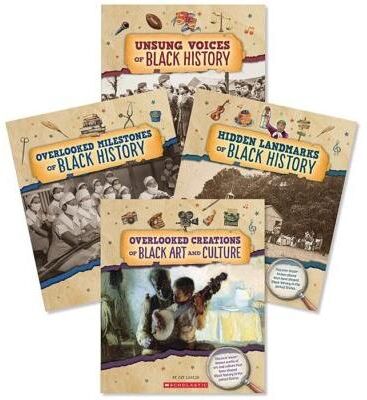
From the Archives: Black History and Culture Value PackThis brand-new series is rooted in a profound commitment to shedding light on some of the important -- and often lesser-known -- aspects of Black history. From the Archives features landmarks, events, people, and artistic endeavors that have played...27,99 $*Shipping: 0,00 $Secure redirect to the provider
-
Zygomatic Timeline Refresh 2026 Clutch Box - Card Game for 2-4 Players Ages 10+ History Culture TriviaTest your knowledge of history, culture, and everyday events with Timeline Refresh 2026, a compact card game for family and friends. Each round challenges players to place event cards in the correct chronological position, using the timeline already on the table as their guide. Choose an event card, estimate when it happened, and add it to the timeline. If your placement is correct, the card remains in play; if not, it is removed. The first player to position all their cards correctly wins. The game's accessible rules and varied subject matter make it an engaging way to challenge your memory and learn interesting facts while playing. The clutch box format is designed for convenient storage and portability.9,59 £*Shipping: 3,95 £Secure redirect to the provider
-
Summersdale Doggie Language by Lili Chin - Hardback - Illustrated Guide to Dog Body Language - Perfect Gift for Dog OwnersDoggie Language by Lili Chin is a beautifully illustrated hardback guide that decodes canine body language for dog owners, trainers, and animal lovers of all experience levels. Written and illustrated by Lili Chin, this compact yet comprehensive handbook turns subtle tail wags, ear positions, and posture shifts into a clear visual language anyone can learn. It's an ideal resource for new puppy parents, seasoned dog owners, and anyone looking to build a deeper bond with their four-legged companion. Dogs communicate constantly through body language, but much of what they're telling us goes unnoticed or misread, often leading to unnecessary stress for both dog and owner. This guide addresses this gap with warm, friendly illustrations mapping out common canine postures, facial expressions, and tail positions.3,95 £*Shipping: 2,99 £Secure redirect to the provider
-
Orion The Book of Humans by Adam Rutherford – A Brief History of Culture, Sex, War & EvolutionWHAT MAKES US HUMAN? Waging war? Sex for pleasure? Creating art? Mastery of fire? In this thrilling tour of the animal kingdom, Adam Rutherford tells the story of how we became the unique creatures we are today. Illuminated by the latest scientific discoveries, THE BOOK OF HUMANS is a dazzling compendium of what unequivocally fixes us as animals, and reveals how we are extraordinary among them.4,98 £*Shipping: 1,99 £Secure redirect to the provider
-
How can one forget culture and heritage?
One can forget culture and heritage by not actively engaging with it, by being disconnected from one's roots and community, and by prioritizing other aspects of life over preserving and celebrating one's cultural identity. This can happen through assimilation into a different culture, lack of exposure to one's own cultural traditions and practices, and a lack of interest in learning about one's heritage. Additionally, societal pressures and discrimination can also contribute to the erasure of one's culture and heritage. **
-
What is the difference between culture and tradition?
Culture refers to the beliefs, customs, arts, and social behaviors of a particular group of people, encompassing a broader range of practices and values. On the other hand, tradition specifically refers to the customs and practices that are passed down from generation to generation within a specific community or society. While culture is more dynamic and can evolve over time, traditions tend to be more static and rooted in history and heritage. **
-
What is the meaning of tradition, culture, and identity?
Tradition refers to the customs, beliefs, and practices that are passed down from generation to generation within a community or society. Culture encompasses the shared values, beliefs, and behaviors of a particular group of people, including their language, art, music, and social norms. Identity is the sense of self and belonging that is shaped by one's cultural background, traditions, and experiences. Together, tradition, culture, and identity form the foundation of a person's sense of belonging and connection to their community and heritage. **
-
What is the name for the Arabic language in Egypt?
The name for the Arabic language in Egypt is "Masri" or "Egyptian Arabic." This dialect of Arabic is widely spoken in Egypt and is the everyday language used by the majority of the population. It has its own unique vocabulary, pronunciation, and grammar, setting it apart from other dialects of Arabic spoken in the region. **
Similar search terms for For
-
Usborne Beginners History 10 Books Collection Box Set Educational History Books for Children - Stone Age Iron Age - HARDCOVERUsborne Beginners History 10 Books Collection Box Set Stone Age Iron Age Egyptians Ancient Greeks .. Stone Age This simple information book follows the history of Stone Age people and how they lived. Iron Age This simple information book charts the history of Iron Age people and how they lived; including their farming methods; the gods they prayed to and the hill forts where they lived. Egyptians Who were the ancient Egyptians? Why did they build pyramids and how were mummies made? Ancient Greeks Find out about Ancient Greece; what people wore; ate and did for fun and learn about some of the most famous philosophers and mathematicians of the age in this compelling book for beginner readers. Celts Who were the Celts exactly? Did you know they lived on top of hills? Do you have any idea how Celtic warriors made themselves look really scary in battle? Romans Who were the ancient Romans? Where did they go to eat; shop and wash? What did they do for fun? The Maya Who were the Maya? Where did they live? Why did they build tall stone temples? Vikings Find out what it was like to be a Viking; and learn about Viking homes; feasts; boats; gods and much more in this fascinating book. Castles Who lived in a castle; and what was it like? Children can find out the answers to these questions and lots more about the wonderful world of castles in this informative book. Digging Up the Past How do ancient things get buried? Who digs them up? And what do they find? Beginner readers can find answers to these questions and more in this colourful information book. Related Tags: Usborne, Usbourne14,99 £*Shipping: 2,99 £Secure redirect to the provider
-
"""The Language of Yes""" """The Language of Yes Cuvee Sinso 2023 Red Wine - California""""""A French-inspired, Cinsaut-based red blend. Cinsaut and Syrah co-fermented for two weeks to extract color and texture. A small amount of Grenache from Rancho Réal was blended for fragrance. Aged in neutral barrels and stainless. Exuberantly..."26,97 $*Shipping: 0,00 $Secure redirect to the provider
-
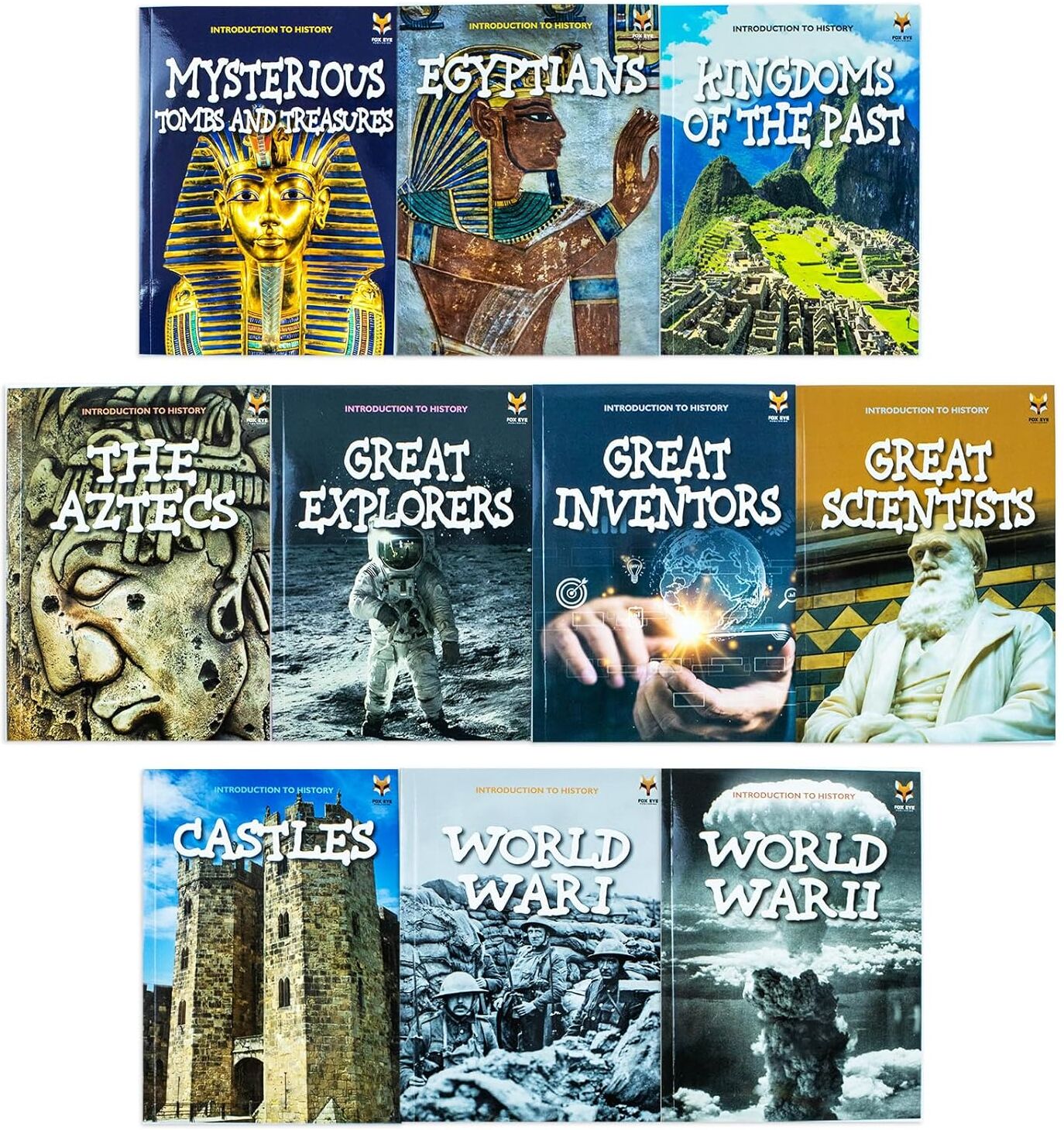
Fox Eye Publishing Introduction to History for Beginners Series 2 – 10 Books Collection Set – Great Explorers & Educational History Collection"Introduction to History Series 2" comprises a captivating 10-book set delving into pivotal periods, figures, and events that shaped our world. Each book is a gateway to a distinct facet of history, inviting readers to embark on an enriching journey through time. Introduction to Great Explorers: Who were history’s great explorers and where did they travel? Find out inside. Introduction to Great Inventors: Who were history’s great inventors and what did they invent? Find out inside. Introduction to Great Scientists: Who were history’s great scientists and what did they discover? Find out inside. Introduction to Castles: Castles were amazing buildings that were home to many people. Find out all about castles and what life was like inside them. Introduction to Kingdoms of the Past: What were the great kingdoms of the past and who ruled them? Find out inside. Introduction to Mysterious Tombs and Treasures: What are mysterious tombs and treasures and where can they be found? Find out inside. Egyptians: The ancient Egyptians were clever farmers and brilliant builders. Find out more about them and their amazing way of life inside. The Aztecs : The Aztecs were terrifying warriors and brilliant builders. Find out more about them and their amazing life way of life inside. Introduction to World War I: What was World War I and why did it happen? Find out about the war inside. Introduction to World War II: What was World War II and why did it happen? Find out about the war inside. This 10-book set is a gateway to diverse epochs, offering a panoramic view of humanity's past, each volume inviting readers to explore, learn, and appreciate the rich tapestry of history that has shaped our world.9,99 £*Shipping: 2,99 £Secure redirect to the provider
-
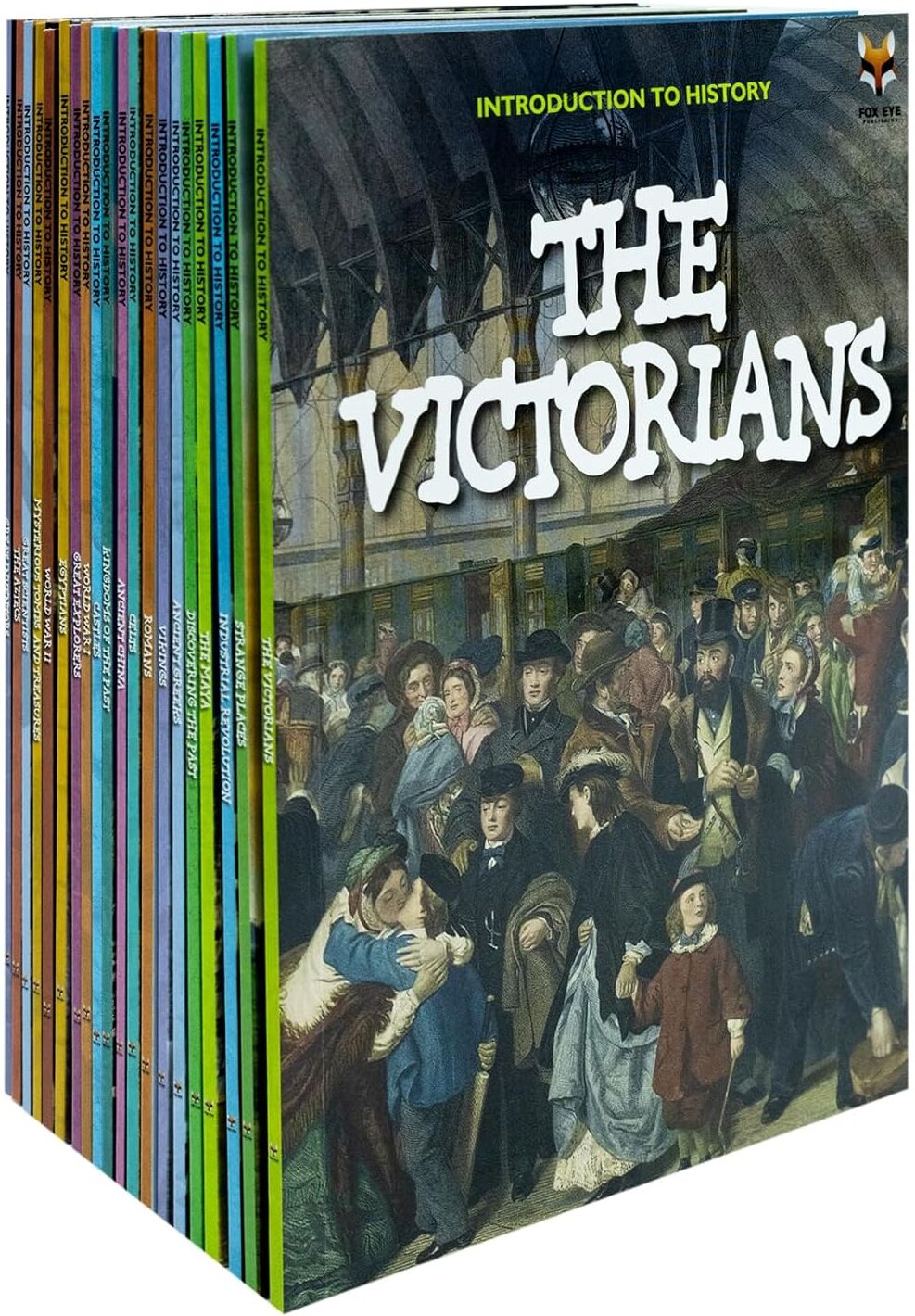
Fox Eye Publishing Children Introduction to History for Beginners (Series 1 & 2) 20 Books Collection Set - Illustrated Learning Book of World History for Kids"Introduction to History Series 1" comprises a captivating 10-book set delving into pivotal periods, figures, and events that shaped our world. Each book is a gateway to a distinct facet of history, inviting readers to embark on an enriching journey through time. Introduction to Ancient China: The ancient Chinese were clever inventors and fearsome fighters. Find out more about them and their amazing way of life inside. Introduction to Industrial Revolution: What was the Industrial Revolution and why did it happen? Find out inside. Introduction to Strange Places: What are strange places and what have we learnt about them? Find out inside. Introduction to Celts: The Celts were fearsome warriors and clever craftspeople. Find out more about them and their amazing way of life inside. Introduction to Discovering the Past: The past is full of wonder, and we can discover it by digging it up! Find out all about past people and how we learn about them inside. Introduction to Ancient Greeks: The ancient Greeks were clever thinkers and master builders. Find out more about them and their amazing way of life inside. Introduction to The Maya: The Maya were fierce fighters and master mathematicians. Find out more about them and their amazing way of life inside. Introduction to Romans: The Romans built an incredible empire that conquered much of the world. Find out more about them and their amazing way of life inside. Introduction to Vikings: The Vikings were fierce fighters and great explorers. Find out more about them and their amazing way of life inside. Introduction to The Victorians: Who were the Victorians and how did they change history? Find out inside. Each book in this set offers a captivating glimpse into a different facet of history, providing a comprehensive introduction to these diverse and intriguing civilizations and eras. "Introduction to History Series 2" comprises a captivating 10-book set delving into pivotal periods, figures, and events that shaped our world. Each book is a gateway to a distinct facet of history, inviting readers to embark on an enriching journey through time. Introduction to Great Explorers: Who were history’s great explorers and where did they travel? Find out inside. Introduction to Great Inventors: Who were history’s great inventors and what did they invent? Find out inside. Introduction to Great Scientists: Who were history’s great scientists and what did they discover? Find out inside. Introduction to Castles: Castles were amazing buildings that were home to many people. Find out all about castles and what life was like inside them. Introduction to Kingdoms of the Past: What were the great kingdoms of the past and who ruled them? Find out inside. Introduction to Mysterious Tombs and Treasures: What are mysterious tombs and treasures and where can they be found? Find out inside. Egyptians: The ancient Egyptians were clever farmers and brilliant builders. Find out more about them and their amazing way of life inside. The...14,99 £*Shipping: 2,99 £Secure redirect to the provider
-
Is the Ottoman language Arabic?
No, the Ottoman language is not Arabic. The Ottoman language, also known as Ottoman Turkish, was a Turkic language that was heavily influenced by Arabic and Persian due to the cultural and historical connections between the Ottoman Empire and the Arab and Persian worlds. However, it was a distinct language with its own grammar, vocabulary, and script. Arabic, on the other hand, is a Semitic language and is not the same as Ottoman Turkish. **
-
What is the Arabic language?
Arabic is a Semitic language that is spoken by millions of people around the world, primarily in the Middle East and North Africa. It is the official language of 22 countries and is one of the six official languages of the United Nations. Arabic is known for its rich literary tradition, with classical Arabic being the language of the Quran and Islamic texts. It is also a diverse language with many different dialects and variations across different regions. **
-
Is Arabic a flowery language?
Arabic is often considered a flowery language due to its rich vocabulary, poetic traditions, and intricate calligraphy. The language is known for its use of metaphors, similes, and ornate expressions, which can give it a flowery and expressive quality. Additionally, Arabic is also known for its use of formal and polite language, which can add to its perceived flowery nature. Overall, Arabic's linguistic features and cultural traditions contribute to its reputation as a flowery language. **
-
Does the Arabic language resemble the Dari language?
Arabic and Dari are both members of the Indo-Iranian branch of the Indo-European language family, but they belong to different subgroups. Arabic is a Semitic language, while Dari is an Iranian language. As a result, the two languages have different grammatical structures, vocabulary, and phonetics, making them distinct from each other. While there may be some loanwords or influences due to historical interactions between Arabic-speaking and Dari-speaking regions, the overall resemblance between the two languages is limited. **
* All prices are inclusive of VAT and, if applicable, plus shipping costs. The offer information is based on the details provided by the respective shop and is updated through automated processes. Real-time updates do not occur, so deviations can occur in individual cases. ** Note: Parts of this content were created by AI.